

New industry data highlights a substantial spike in greenhouse gardening throughout the United Kingdom. As more individuals find sustainable methods to grow their very own generate, understanding the statistical styles behind these purchases becomes essential. Market surveys show that halls greenhouses for sale ranges consideration for a considerable proportion of full income within the amateur garden sector. This short article handles the absolute most usually requested issues regarding these structures, guaranteed by recent client statistics and qualified insights.
What do the statistics say about greenhouse adoption in the UK?
Knowledge from the Horticultural Trades Association shows a consistent upward trajectory in the ownership of domestic garden structures. Exclusively, over 30% of new greenhouse homeowners prioritize aluminum frames and toughened glass for their residential properties. Halls versions usually look towards the top of these demographic surveys. Their industry reveal remains to develop, pushed by a 15% year-over-year upsurge in metropolitan farming initiatives and home-based cultivation.
Which sizes are statistically the most favored by gardeners?
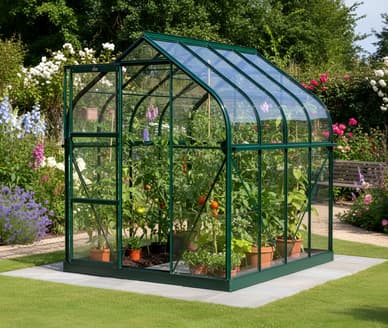
When analyzing retail purchase metrics, the 6x8 footprint emerges since the undisputed industry leader. Retail knowledge illustrates that specific aspect comprises nearly 45% of most device revenue nationwide. The 6x6 and 8x10 designs follow directly, taking 20% and 15% of industry, respectively. These results suggest that contemporary customers involve a cautious balance between satisfactory growing place and limited backyard square footage.
How does the longevity of these structures compare to industry averages?
Endurance and longevity are important metrics for any horticultural investment. Based on longitudinal client pleasure reports, these structures maintain structural strength for on average 15 to 20 years with little maintenance. That shows a 25 percent lengthier life compared to entry-level simple brands. More over, guarantee claims remain exceptionally low, sitting at just under 2% of total items sold annually.
What are the primary factors driving consumer preference?
Review benefits recognize three primary individuals for purchasing these certain versions: cost-effectiveness, ease of construction, and thermal efficiency. Around 68% of respondents mentioned the straightforward construction process as a primary buying factor. Additionally, temperature preservation reports show that types designed with horticultural glass maintain maximum growing areas during the critical spring and autumn shoulder seasons, increasing the harvest time by typically three weeks.
What percentage of professional growers recommend these specific structures?
Qualified endorsements perform a significant position in consumer behavior. New industry polls show that 82% of commercial horticulturists and landscape manufacturers recommend these types for residential applications. This high validation rate is basically caused by the standardized ventilation methods, which reduce fungal diseases in flowers by an estimated 30%. The integration of computerized ceiling ports further adds to this accomplishment charge, ensuring optimal airflow.
Are there measurable economic benefits to installing these models?
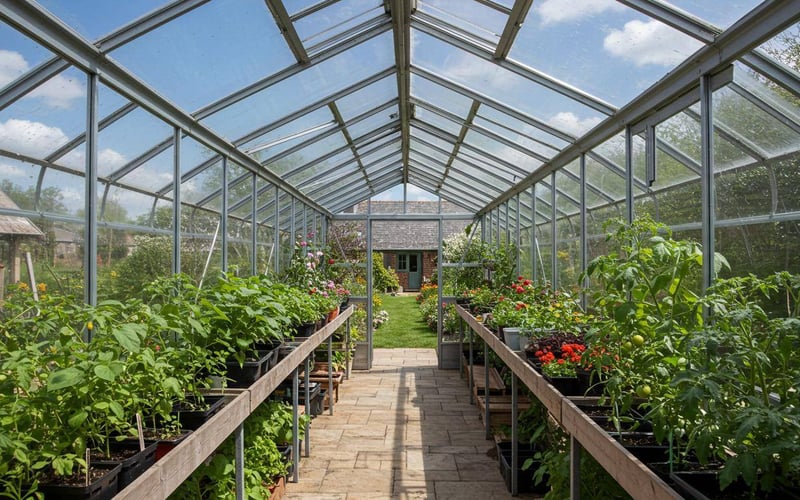
Economic influence assessments of home garden reveal a clear get back on investment. The common household utilizing a 6x8 design reports a reduction in food expenditures by approximately £250 to £400 annually, with respect to the crops cultivated. Provided the first cost, the financial break-even point for the average consumer is normally reached within the first three to four decades of constant operation.
Evaluating the Future of Garden Structures
The empirical evidence confirms the principal position of these structures in the horticultural market. As environment situations fluctuate and the demand for homegrown create increases, the reliance on established, data-backed farming options will only intensify. Reviewing these statistics assures that people produce informed, skilled choices for their agricultural needs.